Optionally Piloted Vehicles (OPV) combine automated flight control with the capability for immediate manual pilot takeover. This dual-mode architecture imposes unique requirements on actuation systems: flight control actuators must allow safe automated operation while guaranteeing instant mechanical decoupling for manual control in case of system failure.
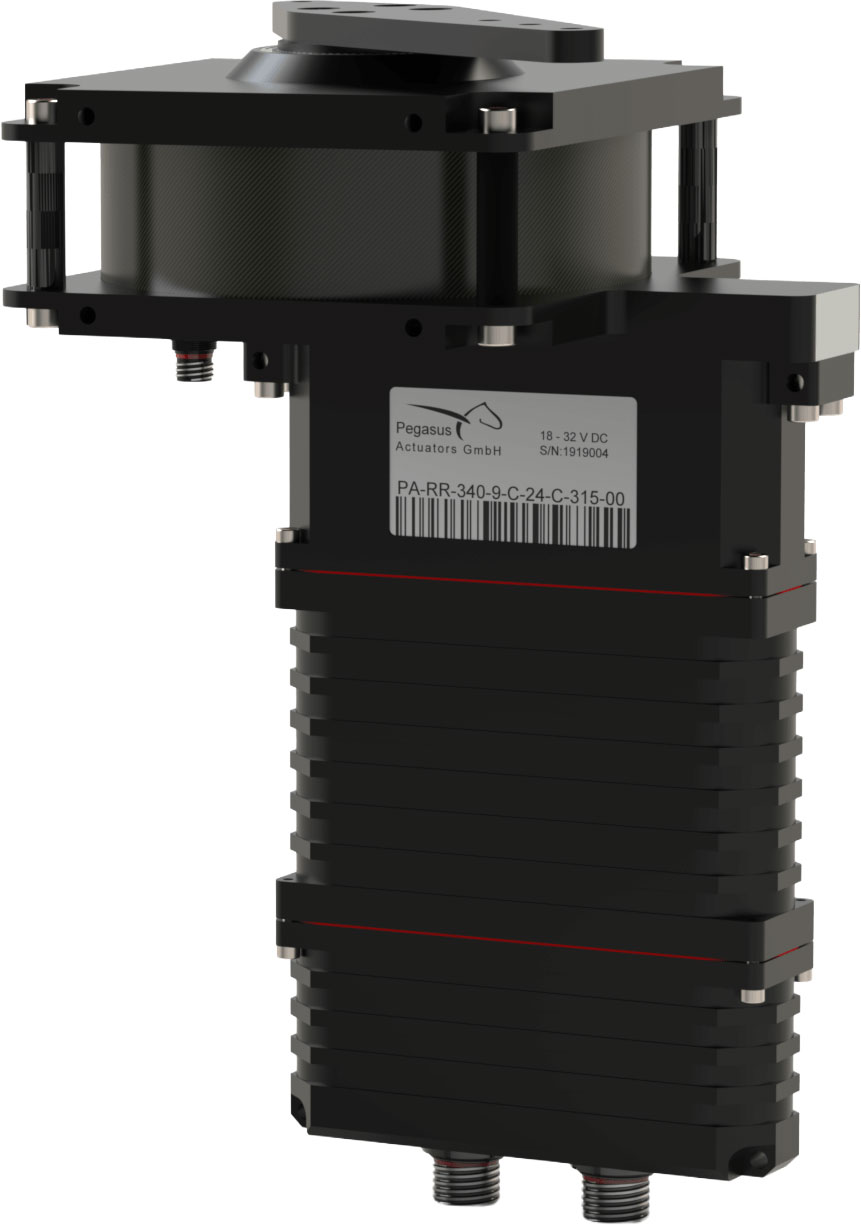
PEGASUS provides electromechanical servo actuators with integrated electromagnetic clutch systems designed specifically for safety-critical OPV applications. The solution ensures controlled transition between autopilot operation and direct pilot authority — without blocking, synchronization issues or loss of positional information.
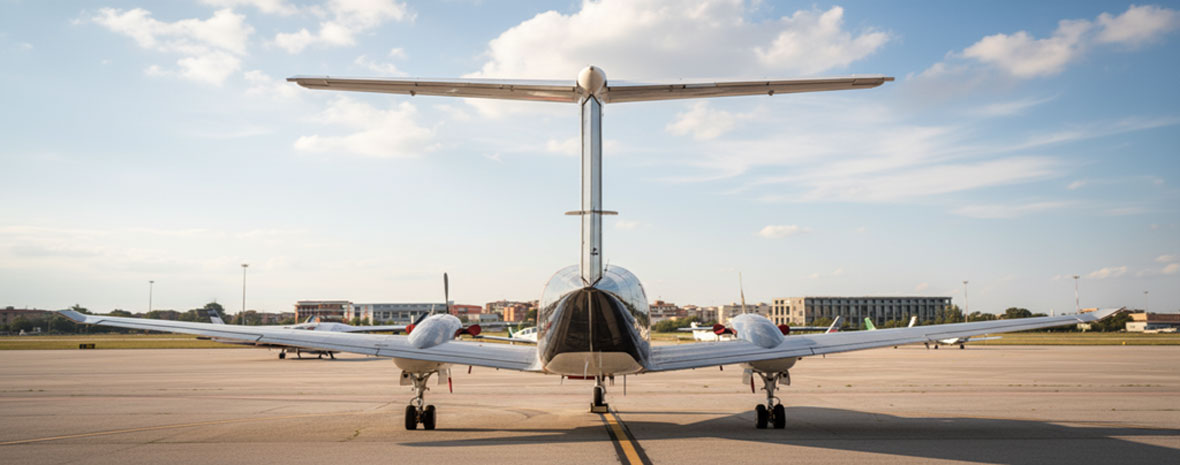
Utility turboprop aircraft and similar general aviation platforms increasingly integrate automated flight systems for cargo missions, surveillance and special operations. In Optionally Piloted Aircraft, the aircraft may operate autonomously for extended phases but must always allow immediate human intervention.
Conventional electromechanical actuators present a critical limitation in such architectures. In the event of a motor or control system malfunction, the mechanical linkage between actuator drive and control surface remains engaged. This can result in mechanical resistance or complete blockage of manual control input — an unacceptable condition in piloted flight.
For OPV applications, actuation systems must therefore guarantee:
To address these requirements, PEGASUS integrates an electromagnetic clutch between gearbox and output shaft in selected actuator platforms such as the PA-RA-3 and PA-RA-4 series.
When energized, the clutch engages and allows full electromechanical control by the autopilot. If power is removed or disengagement is commanded, the clutch opens instantly, mechanically isolating the drive system from the control surface. The pilot can immediately assume direct mechanical control without delay or counterforce.
This architecture ensures that the transition from automated to manual control does not depend on complex synchronization routines or software logic at aircraft level. The mechanical decoupling is intrinsic to the actuator design.
A critical aspect of OPV architecture is the preservation of accurate position information during disengagement. In PEGASUS OPV actuators, the position sensor is located at the clutch output – not at the motor shaft.
This configuration ensures that positional data remains valid regardless of clutch state. Even when mechanically decoupled, the system maintains continuous angular feedback of the control surface position. When re-engaging the clutch, no positional jump or re-synchronization sequence is required.
The result is predictable system behavior and seamless reactivation of automated flight control.
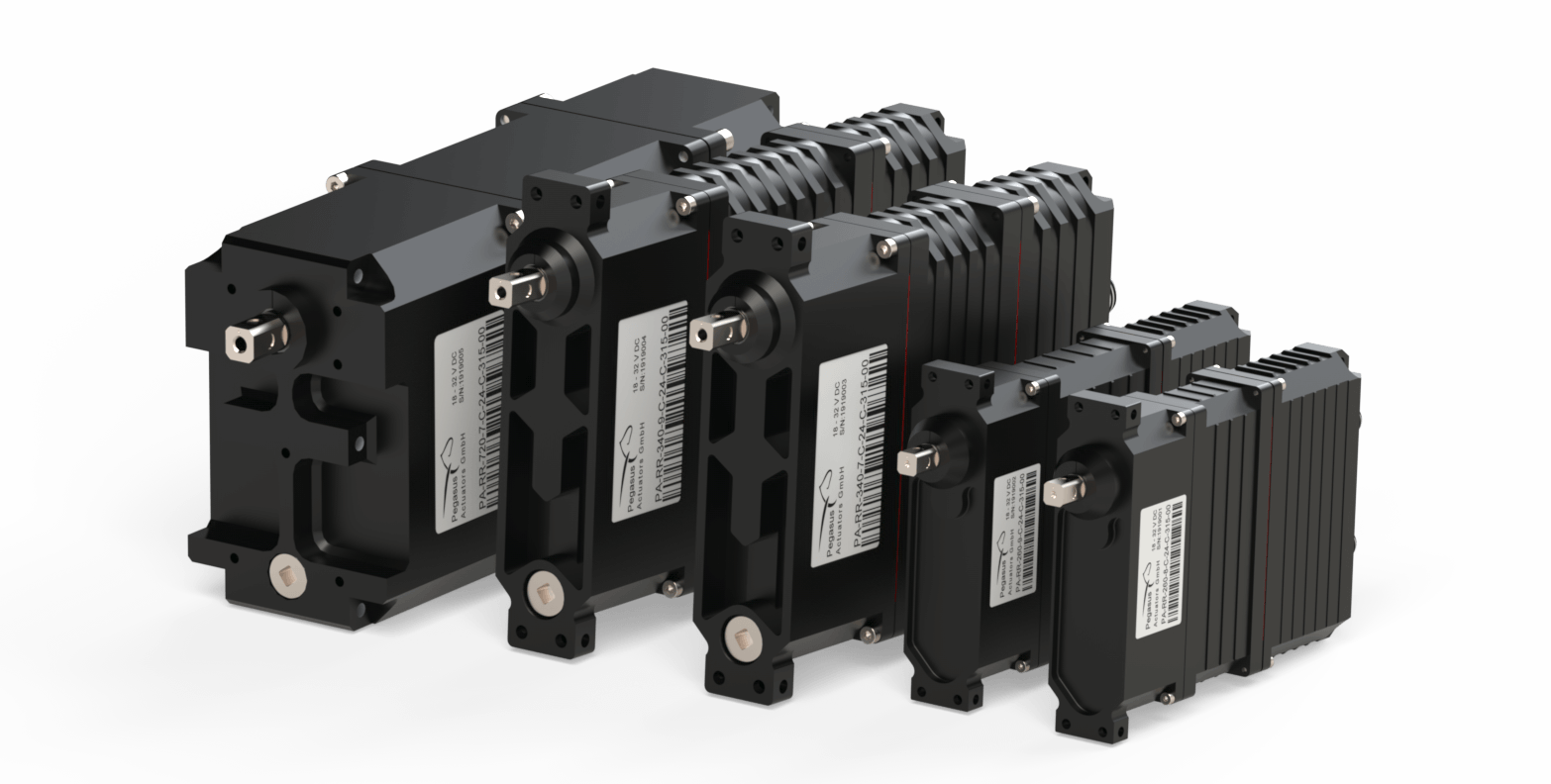
The electromagnetic clutch concept is available across multiple PEGASUS actuator platforms, including standard and redundant variants.
OPV functionality is supported from medium-size actuator classes upward, including configurations with integrated overload protection (PA-SC gear-train protection system).
This modularity allows adaptation to:
In Optionally Piloted Aircraft, the critical design parameter is not altitude or environmental endurance, but control authority. The actuator must never compromise the pilot’s ability to override automation instantly.
The PEGASUS OPV solution combines electromechanical efficiency with defined mechanical separation capability. By embedding clutch technology directly into the actuator architecture, the system supports certification-relevant safety concepts and reduces complexity at aircraft integration level.
Optionally Piloted Aircraft require careful coordination between flight control system architecture, redundancy concepts and mechanical integration. Actuator sizing, clutch configuration, torque requirements and interface definition must align with aircraft-specific operational profiles.
PEGASUS development engineers support aircraft manufacturers and system integrators in adapting proven actuator platforms to OPV-specific requirements — ensuring safe automation without compromising manual flight authority.
Discuss your OPV or optionally piloted aircraft project with our engineering team and explore how a redundant servo actuator with integrated clutch technology can be configured for your application.